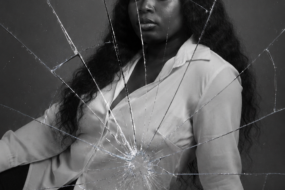
Gone are the days when African fashion was majorly for weddings, owambe parties, and that one Sunday you felt like “representing.” We’re now rocking the international streets with fashion combos made in Africa. If you’ve been on social media recently and haven’t stopped to gaze at someone slaying Ankara joggers with white sneakers and the swag of a Lagos baddie in Detty December, I’m sorry to inform you-you’re scrolling incorrectly. Afrocentric streetwear is a trend; it’s a movement. It’s loud. It’s bold. It’s intentional. It says, “I know where I’m from, and I dress like it, but on my own terms.”
And of course, I had to put it in a poem.

Made in Africa
We were never meant to shrink to fit—
Not in stature, not in spirit.
Our fashion does not whisper.
It marches in, boisterous.
Neck high. Fabric tall.

This is Africa on the move,
A revolution in cloth.
Where tradition meets hustle,
And every wardrobe spoke what it said.

Kente kisses cargo.
Ankara embraces the street.
Gele is having a fling with leather,
And Adire skips a beat.

We flip the past,
Turn old into new.
Sow tradition into denim,
Wear rebellion on our chest.

Tailors in Accra,
Designers in Soweto,
Hands in Aba threading futures—
We are stitched in every shadow.

You’ll see us in oversized frames,
Platform shoes, and custom chains,
But it’s more than drip—it’s declaration,
A fashion-fueled reclamation.

Icons walk among us:
Denola in velvet thunder,
Sarah Langa glides in fire,
Trevor Stuurman with the vision,
Each step a cultural choir.

So if they ask where fashion’s going,
Point them back to the source—
To the motherland where style was born
Without shame. Without remorse.

We don’t follow trends—
We birth them.
Made in Africa.
Worn like freedom.
What Exactly Is Afrocentric Street Style?

Picture Ankara joggers paired with a cropped hoodie. Picture an agbada reimagined in bomber jacket silhouettes. Picture headwraps inspired by gele paired with biker boots. It’s the ultimate blend of tradition and rebellion, and trust me when I say it slaps. The fusions of local Ankara, Kente, Aso Oke, and Adire with joggers, crop tops, sneakers, bomber jackets, and oversized blazers from the international palettes transform a once-nativized or traditional African fabric into a streetwear-inspired interpretation that is now unapologetically street, edgy, urban, and expressive. It’s not the same way our people wore it to weddings. It’s now more about taking our heritage and reimagining it for our sense of style today. It has this street-level swagger that turns heads anywhere.
And the magic is? There are no rules. Take Lagos Fashion Week, for example. Off the runways, it’s street style that appeals to you. New designers are combining agbada sleeves with cargos, gele-inspired headwraps with biker jackets, and strutting fearlessly in platform sandals made from locally sourced leather. Who would say that is not fashion that has heritage and attitude? While the runway shows are amazing, the actual show happens outside. The streets become this live, breathing runway where people come and serve face. You’ll spot someone wearing oversized sunglasses, cargo pants made from Aso Oke, platform sandals handcrafted in Aba, and a dramatic Adire coat fluttering behind them. And guess what? They didn’t dress up to impress anyone. They just came correct because that’s what the culture demands.

This fashion trend is also having a real economic impact. New African designers are launching labels that are being noticed overseas. Fashion houses like Orange Culture (Nigeria), Rich Mnisi (South Africa), and Emmy Kasbit can now be found in many boutiques worldwide, proving that Africa consumes fashion and creates trends. We’re exporting culture and making money in the process. Most of these designers are doing it with a local twist by sourcing materials and labour from within the continent, using artisans, and building creative economies.
We can’t talk about this fashion renaissance without giving bouquets to the icons it is driven by. People like Denola Grey, Sarah Langa, and Trevor Stuurman are breaking new ground on how to be stylish and African. Denola will throw on a velvet suit lined with Ankara and leave you wishing you owned every item in your closet. Sarah, on the other hand, brings high fashion to the people, blending world style with African flair in a manner that yells “luxury with soul.”
How Do You Join the Movement?

First things first, don’t overdo. You don’t need head-to-toe Ankara to rep. Start small:
Wear your denim with an Ankara kimono.
Pair your white top with statement Adire wide-leg pants.
Insert hand-beaded accessories or cowrie-shell earrings into your daily wear.
Or try a tailored blazer with Kente motifs.
Don’t be shy to mix it up and make it yours. Whether you are in Ikoyi, Illinois, India, or Atlanta, Afrocentric street fashion is about who you are, where you’re from, and where you’re going.
Conclusion
Afrocentric streetwear shows the blend of African fashion with Western fashion. The next time you’re asked by someone what’s in style these days, simply grin and say, “Africa.” Because right now, and for many years to come, Africa is holding its ground in the fashion industry. So the next time you spot someone sporting a dashiki with jeans or sporting cowrie earrings with a leather jacket, just know that the Afrocentric style is here to stay.
What do you think about the Afrocentric trend? Feel free to leave your comment(s) in the comment section below. If you enjoy my blog, please share the joy with your loved ones using the share button. I am growing my blog and would love for you to be part of the journey. Thank you for visiting, and I hope you remember me in your thoughts!