

Is 2026 Is the New 2016?
I found myself thirty minutes deep in my old camera roll last week, laughing at a photos of myself. I wasn’t even looking for them. My thumb just… knew where to go. By the time I resurfaced, I’d shared the photos with a friend, and the reply followed immediately by their own throwback.
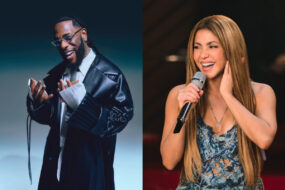
ALSO READ: Dai Dai: Burna Boy, Shakira & the Afrobeats World Cup Anthem Taking Over 2026
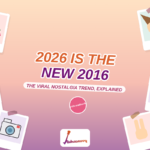
If your feed has felt like a decade-old time machine lately, you’re not imagining it. Welcome to “2026 is the new 2016” — the internet’s biggest ongoing nostalgia trip, and honestly, one of the more interesting things the internet has done to itself in a while.
Where “2026 Is the New 2016” Actually Started
The “2026 Is the New 2016” trend traces back to a TikTok user, @taybrafang, who posted a montage of 2016 memories on New Year’s Eve going into 2026. It caught fire almost instantly, but the deeper roots go back a little further — to what’s been called the “Great Meme Reset,” a late-2025 movement where younger TikTok users pushed to flood the app with classic, familiar content to drown out low-effort AI-generated posts. Out of every possible year to resurrect, the internet chose 2016 as its golden age, and once the hashtag caught on, the surge was immediate: TikTok reported searches for “2016” jumped over 400% in the trend’s first week alone.
From there it spread everywhere — Instagram, Threads, group chats, comment sections — with celebrities like Demi Lovato, Charlie Puth, Hailey Bieber, John Legend, and Reese Witherspoon all digging up their own decade-old throwbacks to join in.
Why 2016, Specifically?
This is the part I find genuinely fascinating. 2016 wasn’t picked at random. It was the last real stretch before the internet — and honestly, the world — shifted into something heavier. No pandemic yet. No years of an increasingly anxious news cycle. Social platforms still felt like places to post something slightly embarrassing without your algorithm deciding it should reach two million strangers. AI hadn’t started filling feeds with synthetic content people now have to squint to identify.
It also happened to be a genuinely huge year for pop culture — Beyoncé dropped Lemonade, Taylor Swift debuted her now-iconic bleach-blonde hair at Coachella, Rae Sremmurd’s “Black Beatles” spawned the Mannequin Challenge, and half the internet was walking into traffic playing Pokémon Go. It was messy, oversaturated, filtered within an inch of its life — and somehow, exactly what a lot of people needed to look back at right now.
As one trends editor put it to Vogue, the era carried a whimsical, carefree quality that people are genuinely mourning, even accounting for how memory tends to soften the edges of the past.
It’s Not Really About 2016
Here’s my honest take: I don’t think this trend is nostalgia for a specific year so much as it’s nostalgia for a feeling — posting without performing. Sharing something because it was funny or embarrassing or real, not because it was engineered to hit a specific algorithmic sweet spot. A YouTuber interviewed about the trend put it simply: people made more genuinely fun content back then because nobody was thinking about the algorithm while they made it.
That tracks with something I talk about often on this blog — how much of our digital life has quietly become a performance instead of a record. We don’t post the blurry photo anymore. We don’t post the outfit that didn’t quite work. We curate before we share, every time, almost without noticing we’re doing it. The “2026 is the new 2016” trend is, underneath all the flower crowns and Chainsmokers needle drops, a small, collective admission that a lot of us miss when that wasn’t the default.
How to Actually Do the “2026 Is the New 2016” Trend Well (Not Just Aesthetically)
If you want in on this one, here’s how to make it mean something instead of just looking the part:
- Go find the unglamorous photo, not the best one. The bad angle, the weird filter, the outfit you’d never wear now. That’s the actual point.
- Pair it with a real memory, not just a caption template. Who were you with? What was going on in your life that year? That’s what makes people stop scrolling.
- Revisit a song, not just a picture. Music tends to unlock more specific memory than photos alone — put on something from that year while you write the caption.
- Let it be a little embarrassing. The trend’s entire appeal is the opposite of a highlight reel. Resist the urge to only post the flattering ones.
I’ll be honest, I went looking for one photo to write this post and came out with an entire folder of memories I hadn’t thought about in years — who I was dating, who I was still friends with, who I’ve completely lost touch with. That’s the real reason a decade-old internet joke has stuck around this long. It’s not really about 2016. It’s about all of us wanting proof that we’ve been someone, more than once, and that every version was worth keeping.
What year would you bring back if you could? Tell me in the comments — I might just steal it for my own throwback.
Enjoyed this? Subscribe to the newsletter for more culture takes, personal stories, and the internet moments actually worth talking about.